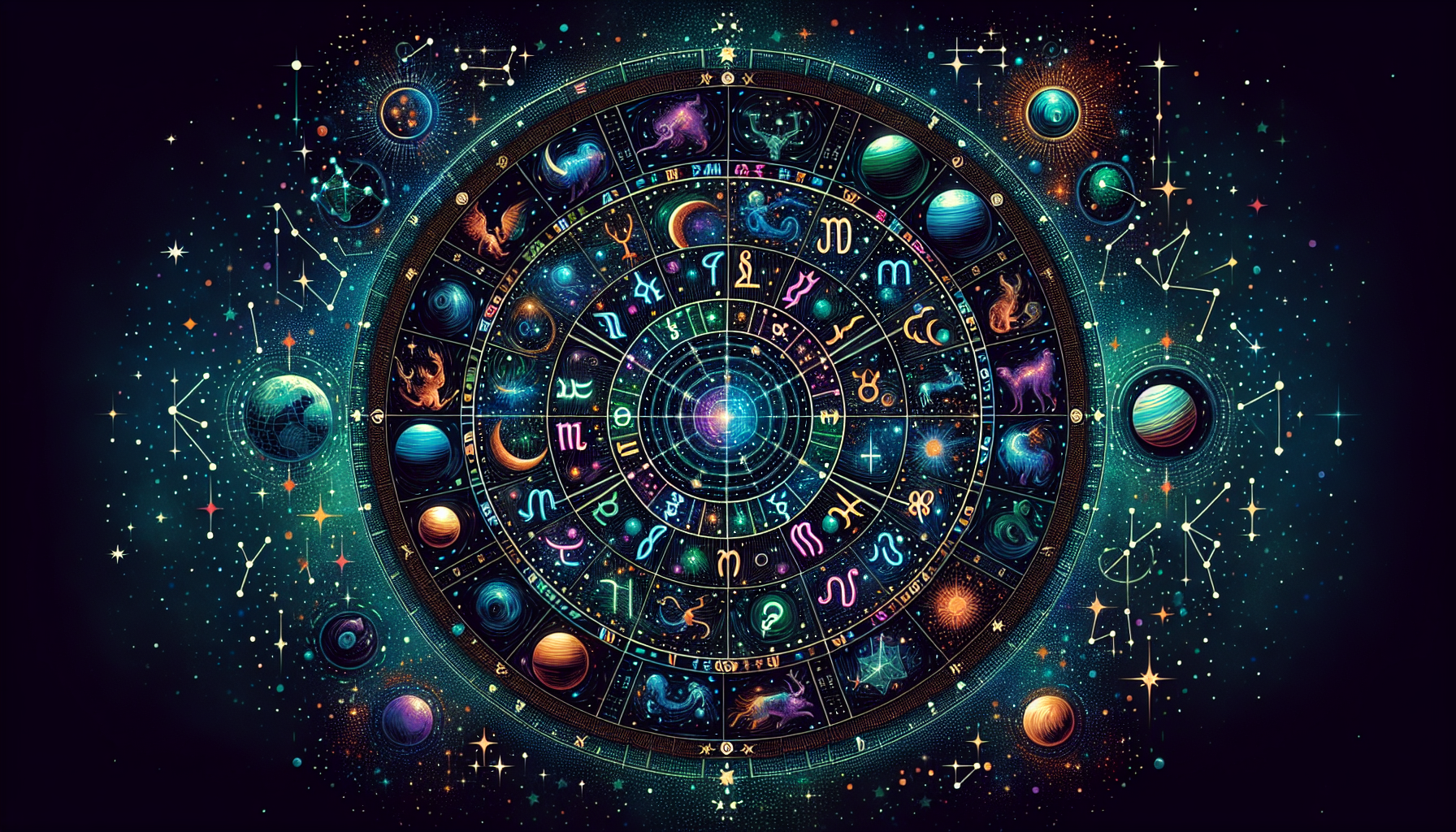
Understanding Your Natal Chart
Your natal chart, also known as your birth chart, is a map of the sky at the exact moment you were born. It contains the positions of the Sun, Moon, planets, and other celestial bodies, each influencing different aspects of your life. While it may seem complex at first, understanding the components of your natal chart can be empowering and enlightening.
The Importance of Houses in Astrology
In astrology, the natal chart is divided into 12 houses, each representing different life areas. The houses are determined by the time and location of your birth, with the Ascendant, or Rising sign, setting the stage for this division. Here’s a brief overview of each house:
- 1st House: Self, appearance, and persona
- 2nd House: Values, possessions, and self-worth
- 3rd House: Communication, intellect, and local travel
- 4th House: Home, family, and emotional foundation
- 5th House: Creativity, romance, and self-expression
- 6th House: Work, health, and daily routines
- 7th House: Partnerships, marriage, and one-on-one relationships
- 8th House: Transformation, intimacy, and shared resources
- 9th House: Philosophy, travel, and higher education
- 10th House: Career, public life, and reputation
- 11th House: Friendships, community, and aspirations
- 12th House: Subconscious, intuition, and spirituality
Each house offers insights into the areas of your life where the planets influence your experiences and choices.
Decoding Aspects in Your Birth Chart
Aspects are the angles formed between planets in your natal chart. They reveal how different planetary energies interact, influencing your personality and life events. Here are the main types of aspects:
- Conjunction: Planets are close together, blending their energies.
- Sextile: A harmonious angle (60 degrees) encouraging cooperation.
- Square: A challenging angle (90 degrees) that can create tension.
- Trine: A supportive angle (120 degrees) that fosters growth.
- Opposition: A 180-degree angle that can create polarity and conflict.
Understanding these aspects can help you navigate challenges and harness your strengths effectively.
How to Read Your Natal Chart
Reading your natal chart may feel daunting at first, but here are some steps to simplify the process:
- Identify Your Rising Sign: This sets the framework for your houses.
- Locate Your Sun and Moon Signs: These represent your core identity and emotional needs.
- Examine Planetary Placements: Look at which signs and houses the planets occupy to understand their influence.
- Analyze Aspects: Note the relationships between planets to see how they interact.
By following these steps, you can gradually unveil the unique story your natal chart tells.
Practical Applications of Your Natal Chart
Your natal chart is not just a collection of symbols; it’s a tool for self-discovery and personal growth. Here are some ways you can apply this knowledge:
- Personal Development: Reflect on your strengths and weaknesses and use this insight for self-improvement.
- Relationship Insights: Understand how your chart interacts with others for better communication and connection.
- Career Guidance: Use your chart to identify your professional strengths and suitable career paths.
By integrating your natal chart into your daily life, you can make more informed decisions and enhance your overall well-being.
Conclusion: Embrace Your Unique Astrological Blueprint
Your natal chart is a rich tapestry of cosmic energies that reflects your individuality. By understanding the houses, aspects, and planetary placements, you can unlock deeper insights into your personality and life path. Remember, astrology is a guiding tool, not a deterministic force. Embrace your unique astrological blueprint and use it as a compass for growth and self-awareness.