The Tapestry of Vedic Astrology: More Than Just Planets
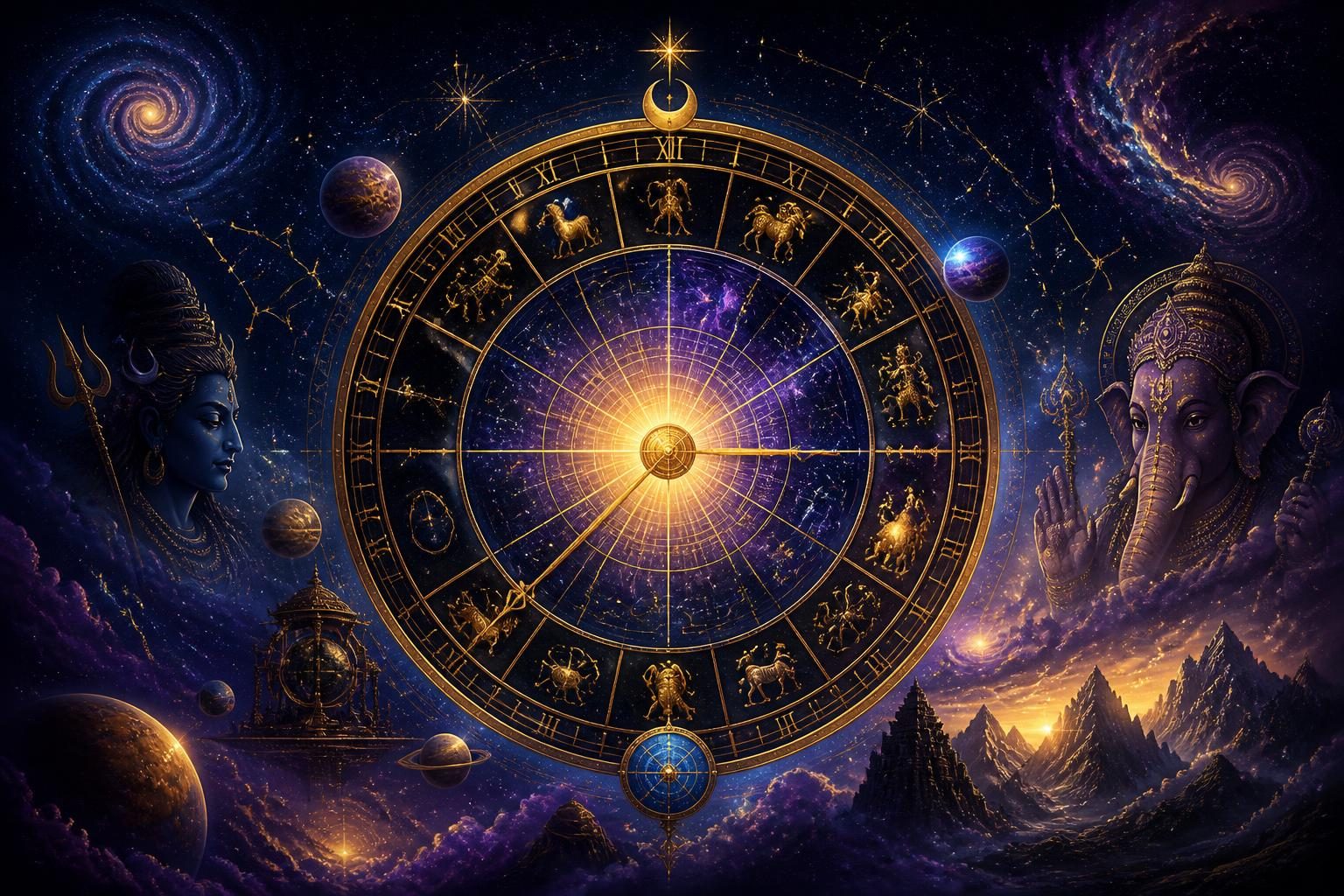
Vedic astrology, known as Jyotish, is an ancient and intricate system of celestial interpretation that offers a deeply nuanced view of our lives. Unlike Western astrology, which primarily uses the tropical zodiac, Jyotish employs the sidereal zodiac, aligning with the fixed stars. At its core, Jyotish weaves together three fundamental elements: the nine planets (Grahas), the twelve houses (Bhavas), and the twenty-seven lunar mansions (Nakshatras). These components, when combined with a sophisticated timing system known as Dashas, provide a comprehensive roadmap of an individual's karma, potential, and life's unfolding seasons.
Nakshatras: The Lunar Mansions of Soul's Journey
The 27 Nakshatras are perhaps one of the most unique and powerful layers of Vedic astrology. Imagine the ecliptic, the path the Sun appears to travel across the sky, divided into 360 degrees. Jyotish further divides this into 27 equal segments of 13 degrees and 20 minutes each. Each segment is a Nakshatra, a 'lunar mansion,' and is deeply associated with specific energies, deities, symbols, and characteristics. Your Moon's Nakshatra at birth is profoundly significant, as it is believed to represent your innermost nature, emotional landscape, and the very essence of your soul's current journey. It's not just about where the Moon was; it's about the unique vibrational quality of that lunar mansion influencing your psyche. Each Nakshatra carries its own mythology and wisdom, offering insights into your inherent strengths, challenges, and spiritual inclinations. Understanding your birth Nakshatra can illuminate patterns of behavior and emotional responses that might otherwise remain hidden.
The Dasha System: Your Personal Cosmic Clock
While planets and houses describe the 'what' and 'where' of your astrological blueprint, the Dasha system tells you 'when.' Jyotish utilizes a variety of Dasha systems, with the Vimshottari Dasha being the most commonly used. This system is a predictive timing mechanism that divides your life into periods ruled by different planets. Crucially, the starting point of your primary Dasha sequence is determined by the Nakshatra your Moon occupied at birth. The planet ruling that Nakshatra begins your Mahadasha (major planetary period), and you inherit only the unexpired balance of that period at the moment of your birth. These planetary periods, lasting for varying lengths of time (e.g., a 7-year Venus period, a 10-year Sun period), signify when the specific energies and lessons of that ruling planet will be most prominent in your life. It’s like a cosmic clock, indicating seasons of opportunity, challenge, growth, and change. For example, a Venus Dasha might align with periods of increased focus on relationships, finances, or artistic pursuits, while a Saturn Dasha could bring lessons related to discipline, responsibility, and long-term foundations. Retrograde planets, while appearing to move backward, are understood in Jyotish as potent but unconventional in their expression, and their influence is always interpreted within the context of their sign, house, and Dasha period.
Houses (Bhavas): The Arenas of Life's Experiences
Just as in Western astrology, Jyotish divides the birth chart into twelve houses. Each house represents a different arena of life, a distinct sphere of experience where the energies of the planets and Nakshatras play out. The first house, for instance, represents the self, physical appearance, and overall disposition. The seventh house governs partnerships, marriage, and open enemies. The tenth house relates to career, reputation, and public life. The significance of a planet or Nakshatra is amplified or modified by the house it occupies in your birth chart. A planet in the seventh house will likely influence your relationships, while a planet in the tenth house will impact your career path. The interplay between planetary rulerships, their placement in specific houses, and the Nakshatras they inhabit creates a rich, multi-layered interpretation of your life's unique narrative. Understanding these houses helps to contextualize the planetary influences and Dasha periods, showing you where in your life these cosmic energies are most likely to manifest.
Synthesizing the Elements: A Holistic View
The true power of Jyotish lies in its ability to synthesize these elements into a coherent and insightful picture. A competent Jyotish reading doesn't just look at the Moon in Cancer; it considers the Nakshatra of that Moon, the house it resides in, the Dasha period currently active, and the planetary aspects influencing it. For instance, if Venus is in the seventh house in the Ashwini Nakshatra during a Jupiter Dasha, it suggests a period where relationships (7th house) are strongly influenced by Venus's energy, potentially bringing marriage or significant partnerships (Venus's traditional significations), amplified by the pioneering and dynamic energy of Ashwini (known for its quick action and beginnings), all unfolding within the expansive and auspicious framework of a Jupiter Dasha. This intricate analysis provides a detailed understanding of your karmic patterns, life lessons, and the opportune moments for action or introspection.
Embracing Your Cosmic Blueprint
Jyotish offers a profound framework for self-understanding and navigating life's journey. By exploring your Nakshatras, understanding your Dasha cycles, and analyzing the houses where planetary energies are most active, you gain invaluable insight into your unique path. This ancient wisdom isn't about predicting a fixed fate, but rather about illuminating the currents of energy that influence your life, empowering you to make conscious choices and align with your highest potential. It’s an invitation to understand the 'why' behind your experiences and to harness the cosmic timing for personal growth and fulfillment.