Natal Chart Foundations: Your Cosmic Blueprint
Imagine a snapshot of the sky taken the very moment you drew your first breath. That's your natal chart, also known as your birth chart – a unique astrological blueprint that offers profound insights into your personality, potential, and life journey. Far more intricate than just your Sun sign, this cosmic map captures the precise positions of the Sun, Moon, and all the planets, along with their relationships to each other and to twelve distinct areas of your life.
For beginners, diving into a natal chart can feel overwhelming with its symbols, lines, and divisions. But fear not! This guide will demystify the core components – the houses and aspects – and empower you to start interpreting your own chart. We'll also tackle some common myths, ensuring you approach astrology from an informed and empowering perspective, rather than a deterministic one.
What Your Natal Chart Reveals: A Cosmic Snapshot
At its heart, a natal chart is a personalized astrological diagram calculated using your exact birth date, time, and location. This data is crucial because the heavens are constantly in motion; even a few minutes difference in birth time can shift the positions of certain chart elements, especially the rising sign (Ascendant) and the house cusps.
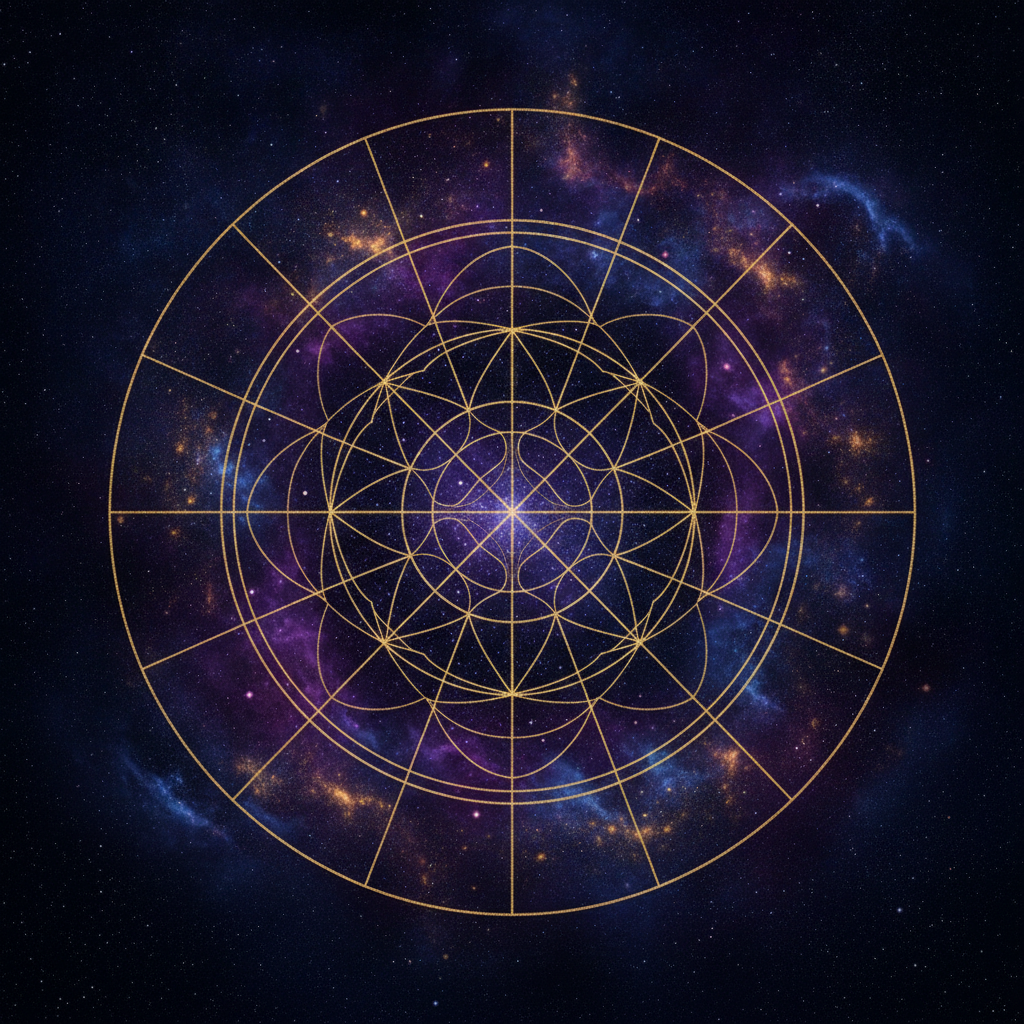
When you generate your natal chart, you'll see a circular diagram divided into twelve segments. Each segment represents a 'house,' and within these houses, you'll find symbols for the planets and zodiac signs. The lines connecting the planets are called 'aspects,' indicating the energetic interplay between them. Together, these elements paint a rich picture of your innate strengths, challenges, motivations, and the unique lens through which you experience the world.
Understanding your natal chart isn't about predicting your future, but rather about gaining self-awareness. It highlights the energies you were born with, offering a framework for personal growth and conscious decision-making. It’s a tool for understanding why you are the way you are, and how you can best navigate your path.
The Twelve Houses: Arenas of Experience
If the planets are the actors and the zodiac signs are their costumes, then the twelve houses are the stages upon which the drama of your life unfolds. Each house represents a specific area of life, a distinct domain where planetary energies and zodiacal influences express themselves. The house a planet occupies tells you where in your life that planet's energy is most active and expressed.
Think of the houses as twelve sectors of your experience, ranging from your personal identity to your public image, from your home life to your career aspirations. Here are a few key houses to illustrate their significance:
- The 1st House (Ascendant): Identity and Self-Expression
This is arguably one of the most personal houses. It represents your personality, physical appearance, initial impulses, and how you present yourself to the world. The sign on the cusp of your 1st House is your Rising Sign, a crucial indicator of your outward demeanor and self-perception. - The 4th House: Roots, Home, and Ancestry
This house delves into your foundations: your home, family, ancestral lineage, and your emotional security. Planets here can reveal insights into your upbringing, your relationship with your parents (especially the nurturing one), and what makes you feel safe and grounded. - The 7th House (Descendant): Relationships and Partnerships
Opposite the 1st House, the 7th House governs your significant one-on-one relationships, including marriage, business partnerships, and open enemies. It speaks to what you seek in others and how you engage in close connections. - The 10th House (Midheaven): Career, Legacy, and Public Image
At the very top of the chart, this house relates to your public reputation, career path, societal contributions, and your ultimate legacy. Planets here can indicate your professional ambitions and how you are perceived by the public.
Understanding which planets fall into which houses, and the signs on their cusps, helps you pinpoint the specific life areas where certain energies are most powerfully at play. For example, Venus (love, values) in your 10th House (career) might suggest you find fulfillment in creative professional endeavors or that your public image is characterized by grace and charm.
Planetary Conversations: Understanding Aspects
Beyond where planets are located in houses, how they relate to each other is equally vital. This is where aspects come in. Aspects are the angular relationships between planets in your natal chart, representing the energetic connections and dialogues occurring within your psyche. These angles indicate how different parts of your being interact – sometimes harmoniously, sometimes with friction, but always dynamically.
Imagine your planets as characters in a play. The aspects describe their interactions: Are they working together smoothly (trine, sextile)? Are they in direct opposition, creating tension and requiring balance (opposition)? Or are they clashing, demanding creative problem-solving and growth (square)?
Common Aspects and Their Meanings:
- Conjunction (0°): A powerful merging of energies. When two planets are conjoined, their characteristics blend intensely, making their influence very prominent in your chart.
- Sextile (60°): An easy, flowing energy. Sextiles represent opportunities and talents that you can readily access and develop with conscious effort.
- Square (90°): A challenging, dynamic energy. Squares indicate areas of tension, obstacles, and inner conflict. While they can feel difficult, they are powerful engines for growth, pushing you to overcome limitations and build resilience.
- Trine (120°): A harmonious and flowing energy. Trines represent natural talents, ease, and areas where things tend to come effortlessly. They are gifts, but sometimes so easy that they aren't fully appreciated or utilized.
- Opposition (180°): A polarizing, balancing energy. Oppositions highlight two opposing forces that need to be integrated and brought into balance. They often manifest in relationships, as you project one side of the opposition onto another person.
Analyzing aspects allows for a deeper understanding of your inner workings. A person with many trines might find life flows easily but may lack motivation, while someone with many squares might face more challenges but develop incredible strength and drive as a result.
Natal Chart Nuances: Debunking Astrology Myths
As you begin your journey with natal charts, it's crucial to distinguish between popular misconceptions and the true spirit of astrological wisdom. Let's debunk a few common myths:
Myth 1: Astrology Dictates Your Fate
Fact: Astrology is a language of potential and tendencies, not a pre-written destiny. Your natal chart doesn't tell you *what* will happen, but rather *how* you are likely to approach situations, *what kind* of energies you possess, and *where* your innate talents and challenges lie. You always have free will and the power to make conscious choices. The chart is a map, and you are the driver.
Myth 2: Your Sun Sign Is All You Need to Know
Fact: While your Sun sign (the zodiac sign the Sun was in at your birth) represents your core essence and ego, it's just one piece of a much larger puzzle. Relying solely on Sun sign horoscopes is like reading only one chapter of a complex novel. Your Moon sign (emotions), Rising sign (personality), the placement of all planets, and their aspects are equally vital for a comprehensive understanding of your astrological identity. True astrological depth comes from analyzing how multiple chart factors interact, as highlighted in comprehensive astrological analyses.
Myth 3: 'Bad' Aspects Mean a Difficult Life
Fact: There are no inherently 'good' or 'bad' aspects, only challenging and harmonious ones. Aspects like squares and oppositions, while creating tension, are powerful catalysts for growth, self-awareness, and developing resilience. They point to areas where you are meant to learn, evolve, and integrate different parts of yourself. Without these challenging energies, we wouldn't be prompted to overcome obstacles and discover our inner strength.
Your Natal Chart: A Compass for Growth, Not a Crystal Ball
Interpreting your natal chart is an ongoing process of self-discovery and empowerment. It's not about being labeled or confined by astrological placements, but rather about understanding the unique energetic tapestry that makes you, YOU. By exploring the houses, aspects, and planetary positions, you gain a deeper appreciation for your strengths, acknowledge your areas for growth, and make more informed choices aligned with your authentic self.
Use your natal chart as a powerful compass, guiding you through the landscapes of your life. It encourages you to lean into your potential, learn from your challenges, and ultimately, live a more conscious and fulfilling life. As you delve deeper, remember that complex chains of relationships, such as dispositorship and planetary friendships, further enrich the tapestry of your chart, revealing even more nuanced insights. Keep exploring, keep learning, and trust in the wisdom encoded within your unique cosmic blueprint.