Introduction to Natal Charts
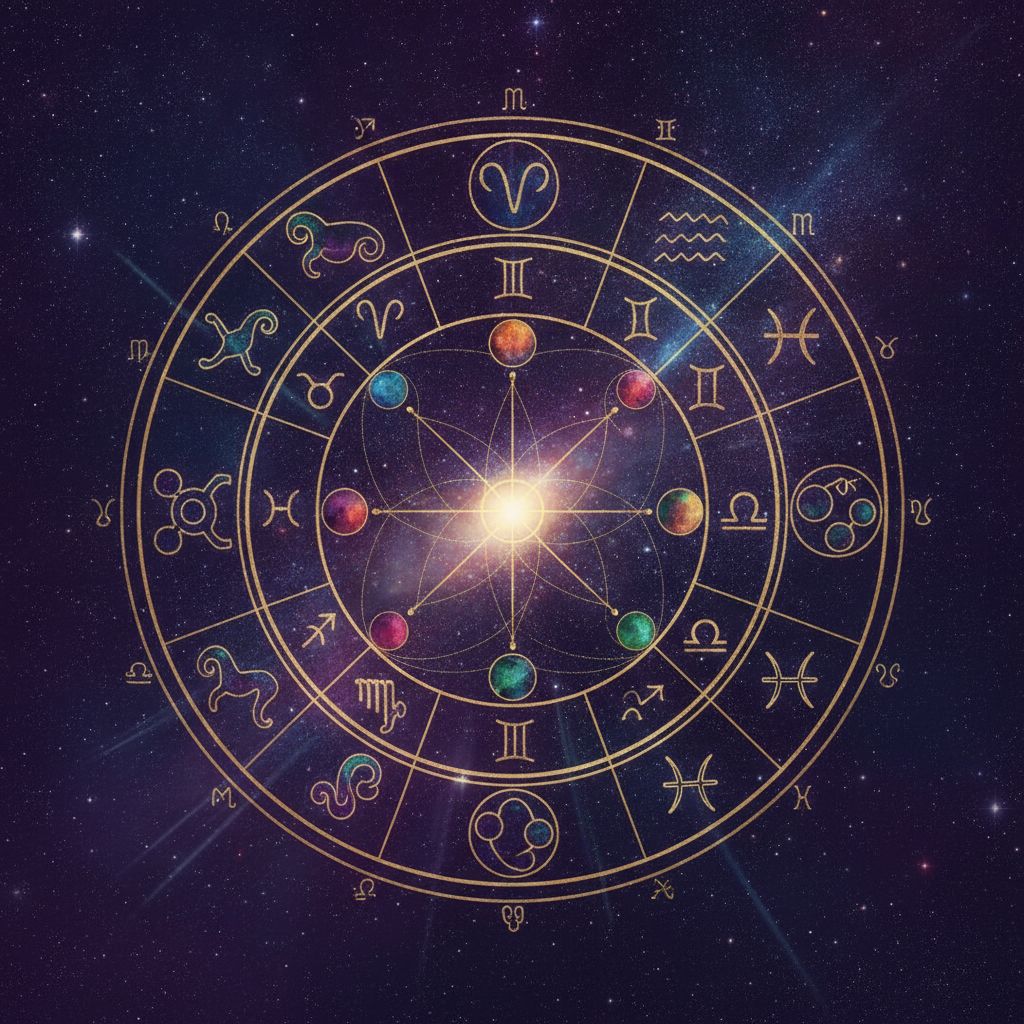
A natal chart, also known as a birth chart, is a powerful tool in astrology. It serves as a snapshot of the sky at the exact moment and location of your birth. By analyzing the positions of celestial bodies in relation to the Earth, you can gain insights into your personality, relationships, and life path. This guide will walk you through the fundamental components of a natal chart, focusing particularly on the houses and aspects.
What Are Natal Chart Houses?
The natal chart is divided into twelve houses, each representing different areas of your life. The arrangement of these houses is determined by your time and place of birth. Let’s break down the significance of each house:
- First House: Known as the House of Self, this house represents your identity, appearance, and how you present yourself to the world.
- Second House: The House of Values, it governs your finances, possessions, and sense of self-worth.
- Third House: This house influences communication, intellect, and your immediate environment, including siblings.
- Fourth House: Known as the House of Home, it relates to your roots, family, and emotional foundation.
- Fifth House: The House of Creativity and Pleasure, it encompasses romance, hobbies, and self-expression.
- Sixth House: This house focuses on health, daily routines, and service to others.
- Seventh House: The House of Partnerships emphasizes relationships, marriage, and one-on-one interactions.
- Eighth House: This transformative house deals with intimacy, shared resources, and personal growth through challenges.
- Ninth House: The House of Philosophy represents higher learning, travel, and spiritual exploration.
- Tenth House: Known as the House of Career, it reflects your public reputation and aspirations.
- Eleventh House: This house pertains to friendships, community, and your hopes and dreams.
- Twelfth House: The House of the Unconscious, it symbolizes spirituality, hidden strengths, and self-reflection.
Understanding Aspects in Your Birth Chart
Aspects are angles formed between planets in your natal chart, and they significantly influence how the energies of those planets interact. Each aspect has its own meaning:
- Conjunction: When two planets are close together, their energies blend, enhancing each other.
- Opposition: This occurs when planets are 180 degrees apart, creating tension that can lead to challenges or growth.
- Square: A 90-degree angle that indicates conflict, prompting action or change.
- Sextile: A harmonious aspect (60 degrees) that facilitates opportunities and ease between planets.
- Trine: A beneficial aspect (120 degrees) that represents harmony and flow, often leading to talent or ease in the areas represented by the planets involved.
Interpreting Planet Placement in Houses
The planets in your natal chart bring unique energies to the houses they occupy. For example, if you have Venus in your Fifth House, it may enhance your creativity and romantic life. Understanding these placements helps reveal your strengths and areas for growth.
Here’s a quick example:
- Sun in the Tenth House: You may be driven by career ambitions and desire public recognition.
- Mars in the First House: This placement can indicate a strong, assertive personality, yet may also lead to impulsiveness.
Putting It All Together: Reading Your Natal Chart
When you start to read your natal chart, consider the following steps:
- Identify Your Rising Sign: The sign on the first house cusp is your Ascendant, which influences how you express yourself.
- Examine Planetary Placements: Look at where each planet falls within the houses and signs.
- Analyze Aspects: Note the aspects formed between planets to understand their interactions and influences.
- Reflect on Themes: Consider the overall themes that emerge from your chart, noting strengths and challenges.
Conclusion: Your Natal Chart as a Tool for Growth
Your natal chart is much more than a map of the cosmos at your birth; it serves as a guide for your personal development. By understanding the houses and aspects in your chart, you can gain deeper insights into your life’s journey and how to navigate it with intention. Remember, astrology is about empowerment, so take the time to explore your chart and embrace the unique qualities that it reveals!