The Celestial Dance of Apparent Retrograde Motion
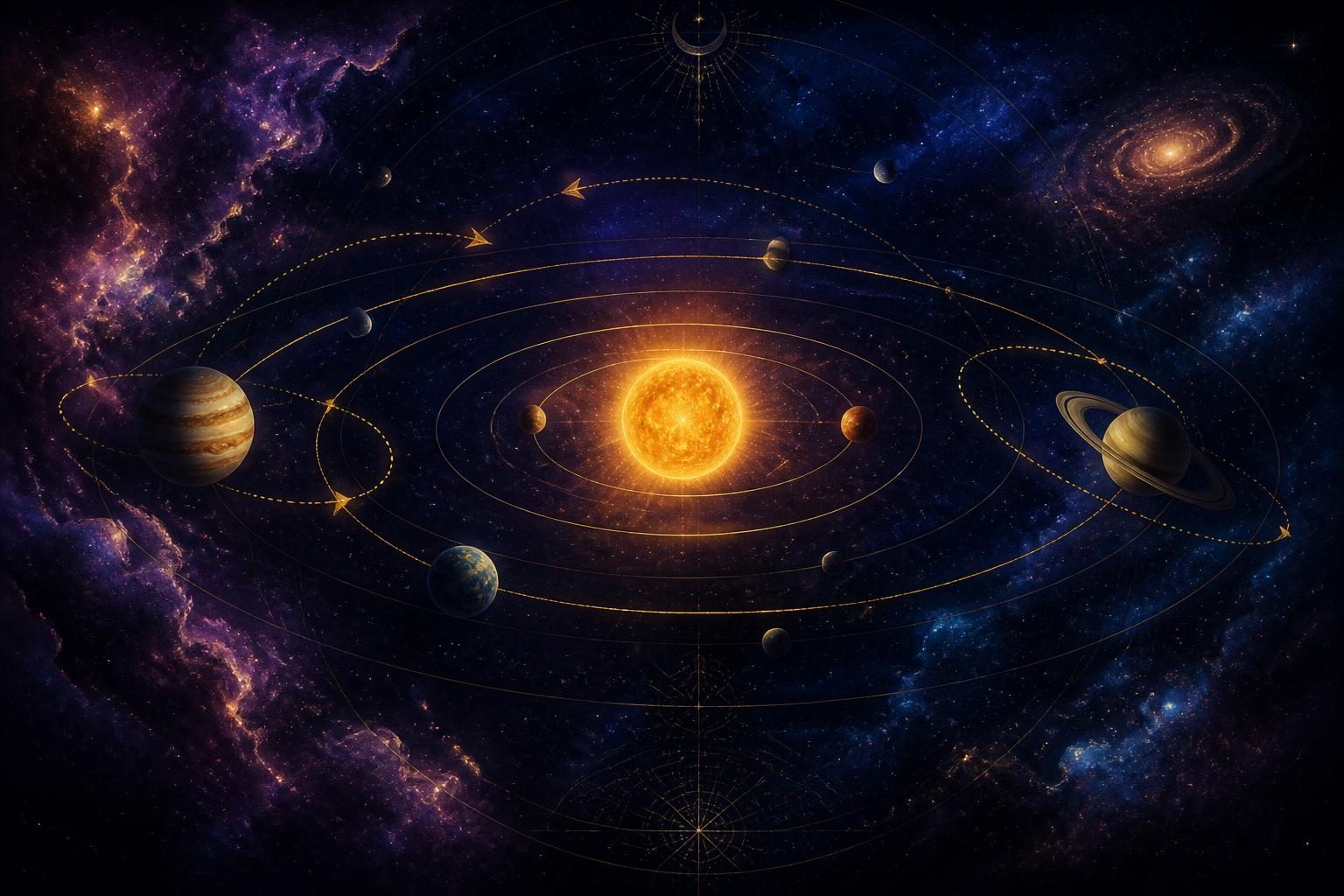
In the grand cosmic ballet, planets ceaselessly orbit the Sun. From our perspective here on Earth, however, these movements can sometimes create an illusion: planets appear to slow down, stop, and even reverse their course across the sky. This phenomenon, known as apparent retrograde motion, is a fundamental aspect of celestial mechanics. While it's an optical effect, astrology imbues these periods with profound meaning, inviting us to look inward and reassess various facets of our lives. Rather than signaling cosmic chaos, planetary retrogrades are powerful invitations for introspection, revision, and deeper understanding, particularly when it comes to the distinct energies of Mercury, Jupiter, and Saturn.
Mercury Retrograde: Revisiting Communication and Mindset
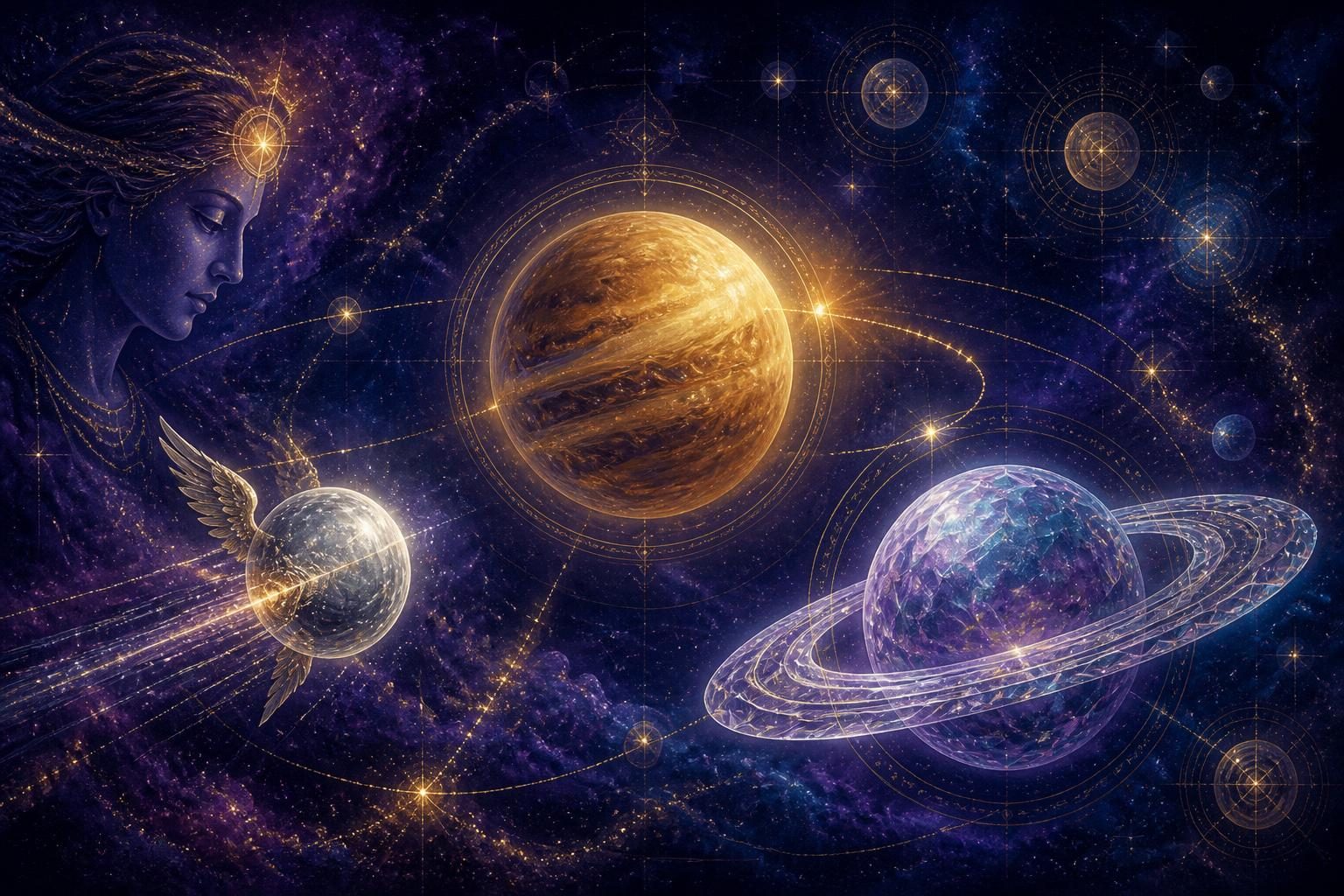
Mercury, the swift messenger of the zodiac, governs communication, thought processes, technology, and short-distance travel. When Mercury goes retrograde – typically three to four times a year for about three weeks each time – its usual outward-focused energy turns inward. This isn't a time to abandon all plans or expect technology to fail spectacularly, but rather a potent period for reviewing and revising. Think of it as a cosmic 'do-over' for your words, ideas, and connections. Misunderstandings might arise, but they often serve to highlight where communication has been unclear or where assumptions were made. It's an opportune time to re-read emails before sending, re-evaluate decisions, and re-connect with people from your past. Instead of initiating new ventures related to communication or signing important contracts, focus on refining existing ones. This is the perfect phase for editing, proofreading, and clarifying your thoughts before moving forward.
Jupiter Retrograde: Expanding Inner Wisdom and Beliefs
Jupiter, the Great Benefic, is the planet of expansion, luck, abundance, philosophy, and higher learning. When Jupiter turns retrograde, typically for about four months each year, its expansive energy shifts from the external world to our inner landscape. This isn't a time of contraction or bad luck; rather, it's a period of deep internal reassessment of our beliefs, values, and life philosophies. It's an invitation to refine what we truly believe and why. Long-held certainties might be gently tested, prompting us to question whether our current worldview still serves our highest good. This retrograde encourages deeper study rather than wider exploration, allowing us to consolidate knowledge and integrate wisdom. It’s a time to inwardly digest lessons learned, revisit spiritual or philosophical pursuits, and strengthen our personal sense of meaning and purpose.
Saturn Retrograde: Restructuring Foundations and Responsibilities
Saturn, the taskmaster of the cosmos, represents structure, discipline, responsibility, limitations, and the passage of time. Saturn's retrograde periods, which occur roughly every year and last for several months, are deeply significant for building lasting foundations. When Saturn moves retrograde, it prompts us to examine the structures we've built in our lives – in our careers, relationships, and personal discipline. Are these structures still serving us? Have they become outdated or restrictive? This is a time for serious introspection about our responsibilities and commitments. Saturn retrograde asks us to ensure that the foundations we stand on are solid and aligned with our current life path. It’s an opportunity to revise our long-term goals, strengthen our discipline, and take accountability for our personal growth, ensuring that our internal framework supports our external reality.
Understanding the Nuances: Inferior vs. Superior Planets
It's important to understand that the astrological interpretation of retrograde motion varies subtly depending on whether the planet is an 'inferior' planet (Mercury, Venus) or a 'superior' planet (Mars, Jupiter, Saturn, Uranus, Neptune, Pluto). For inferior planets like Mercury, retrograde motion coincides with their inferior conjunction – when they are closest to Earth and often less visible. This alignment can lend itself to themes of hidden matters or internal focus. For superior planets like Jupiter and Saturn, retrograde motion occurs around their opposition to the Sun, when they are at their closest and brightest from Earth. While the core principle of introspection remains, the 'visibility' and 'brightness' of these superior planets during their retrograde phase suggest that the themes they govern are not hidden, but rather brought into a stark, internal spotlight for conscious revision and integration. Therefore, while Mercury retrograde might encourage reviewing things that are 'unseen,' Jupiter and Saturn retrograde prompt a conscious, illuminated re-evaluation of established principles and structures.
Harnessing the Power of Retrograde Periods
Retrograde periods are not times to fear or halt progress. Instead, they are essential phases of the cosmic cycle that offer profound opportunities for growth. By understanding the unique energies of Mercury, Jupiter, and Saturn when they appear to move backward, we can consciously engage with these transits. Mercury retrograde invites us to refine our communication and thought patterns. Jupiter retrograde encourages us to deepen our inner wisdom and re-evaluate our philosophies. Saturn retrograde calls us to strengthen our foundations and responsibilities. Embracing these periods with awareness allows us to pause, reflect, revise, and ultimately, move forward with greater clarity, wisdom, and resilience. It’s about working with the celestial rhythms, not against them, to foster a more authentic and well-lived life.