Introduction to Tarot and Oracle Decks
Tarot and oracle decks are powerful tools for self-discovery and reflection. While both types of cards can offer guidance, they have different structures and purposes. Tarot decks typically consist of 78 cards, divided into the Major and Minor Arcana, each with its own symbolism and meaning. Oracle decks, on the other hand, vary in design and number, allowing for more intuitive and personal interpretations.
Understanding Tarot Card Spreads
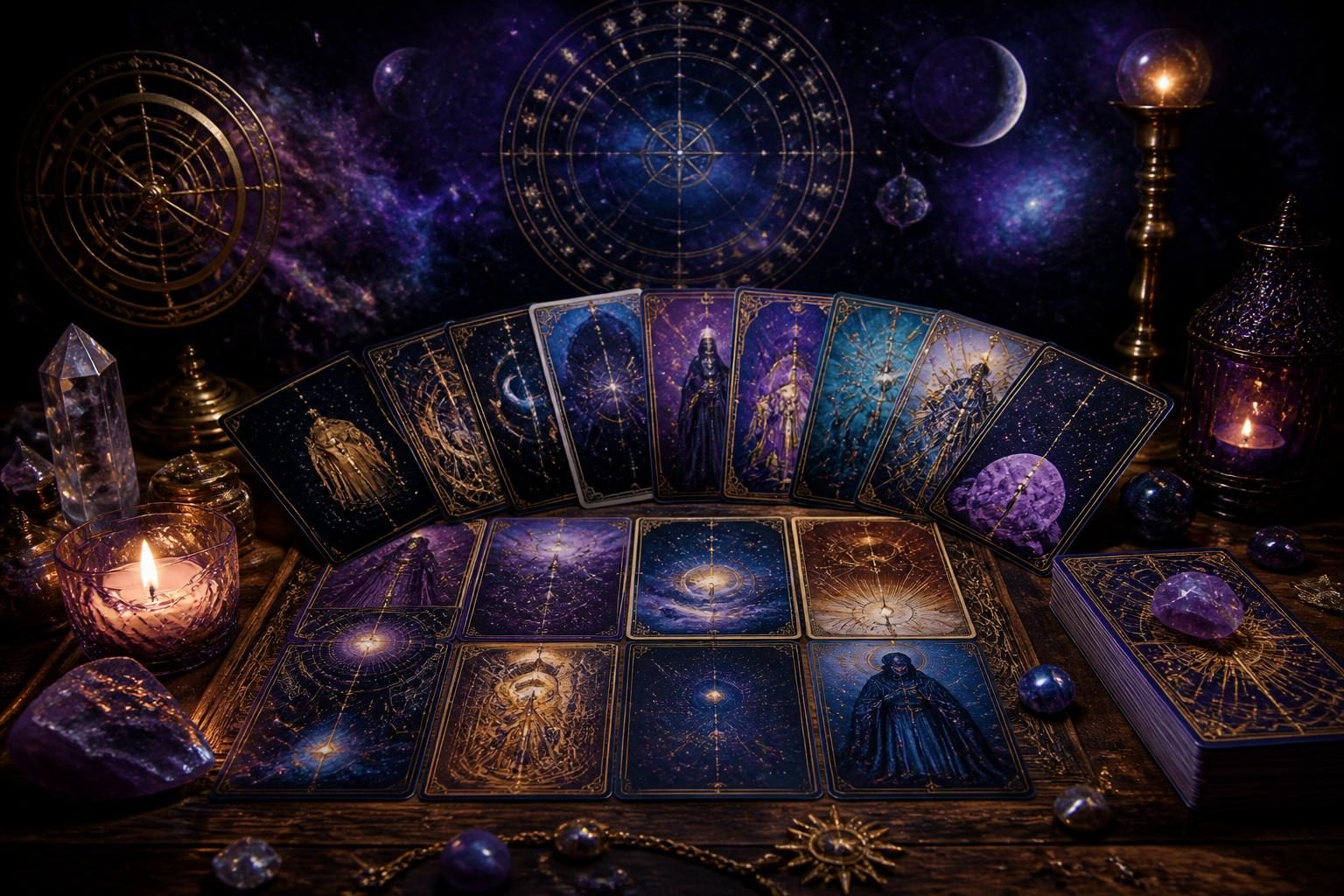
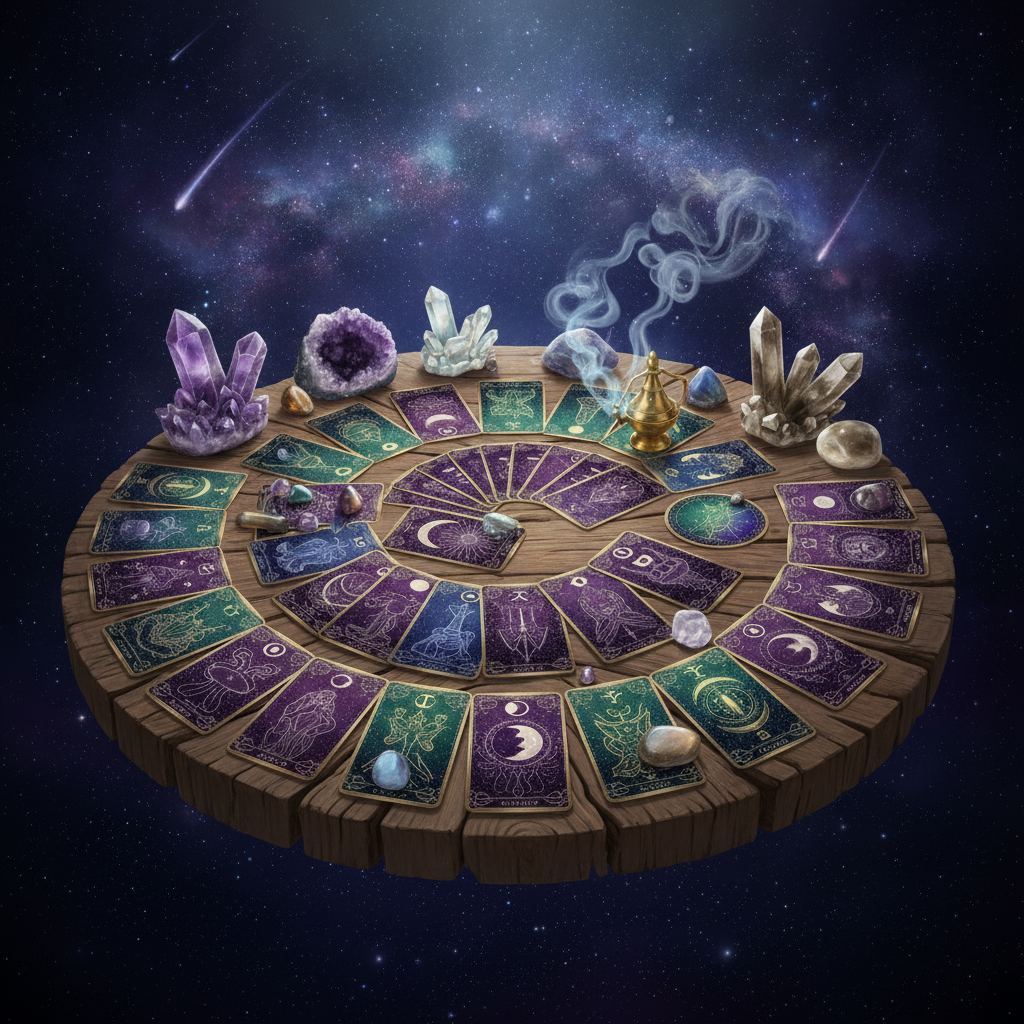
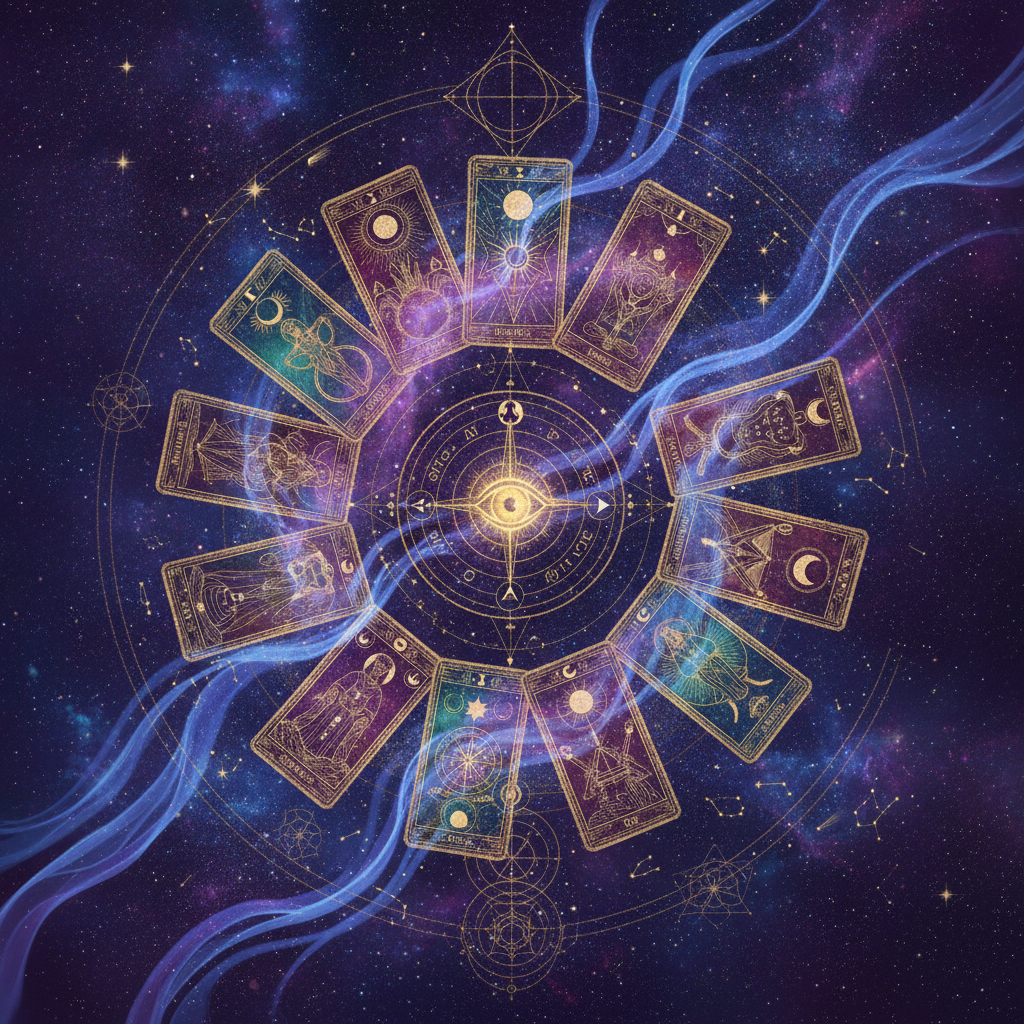
A tarot spread is a layout of cards drawn from the deck, with each card representing a specific aspect of a question or situation. The choice of spread can influence the reading, making it essential for beginners to understand the various types available.
- Three-Card Spread: A simple and versatile option that can represent the past, present, and future or a situation, action, and outcome.
- Four-Card Spread: This spread often focuses on different facets of a question, such as obstacles, influences, advice, and outcome.
- Celtic Cross Spread: A more complex spread that provides a comprehensive overview of a situation through ten cards, each with a specific placement and meaning.
How to Conduct a Tarot Reading
Before you start your tarot reading, it's important to set your intention and focus on your question. Here’s a simple approach to get started:
- Choose Your Deck: Select a tarot or oracle deck that resonates with you. Take some time to familiarize yourself with the artwork and meanings.
- Shuffle and Draw: While focusing on your question, shuffle the cards. Draw the number of cards indicated by the spread you've chosen.
- Interpret the Cards: Refer to the meanings of the cards you drew. Consider their positions in the spread, whether they are upright or reversed, and how they relate to your question.
- Reflect: Take time to absorb the messages and how they apply to your life. Journaling your insights can be helpful.
Decoding Card Meanings
Each tarot card has a range of meanings and interpretations that can shift based on the context of your question, the position of the card in the spread, and its orientation (upright or reversed). Here are a few examples of key cards:
- The Fool: Represents new beginnings and potential; when reversed, it may indicate foolishness or recklessness.
- The Lovers: Symbolizes relationships and choices; in reverse, it may suggest disharmony or conflict.
- Death: Signifies transformation and endings; in a positive context, it can mean the start of a new chapter.
Comparing Tarot and Oracle Decks
While both tarot and oracle decks serve as divination tools, they cater to different types of inquiries and personal styles:
- Structure: Tarot decks have a defined structure (78 cards), while oracle decks can vary in the number of cards and themes.
- Intuition: Oracle decks tend to be more intuitive, allowing for greater personal interpretation, which may be ideal for beginners.
- Guidance: Tarot offers a deeper, more structured insight into life’s complexities, while oracle decks often provide straightforward affirmations or messages.
Final Thoughts on Tarot and Oracle Readings
Engaging with tarot and oracle decks can be a profound journey of self-exploration and insight. Whether you’re reading for yourself or someone else, remember that the cards are a starting point for reflection rather than fixed answers. Over time, you’ll develop your unique understanding of the cards and their meanings, enhancing your intuition and connection to the universe.
As you embark on your tarot journey, be patient with yourself. Each reading is an opportunity for growth and understanding, inviting you to explore the depths of your own wisdom.