Introduction to Moon Phases and Their Significance
The moon has captivated humanity for centuries, influencing not just our natural world but also our spiritual practices. Each phase of the moon carries distinct meanings and energies, making the lunar cycle a powerful tool for rituals and personal growth. In this post, we will explore the different moon phases, the significance of the new and full moons, and clear up common myths contrasted with factual insights.
Understanding the Lunar Cycle
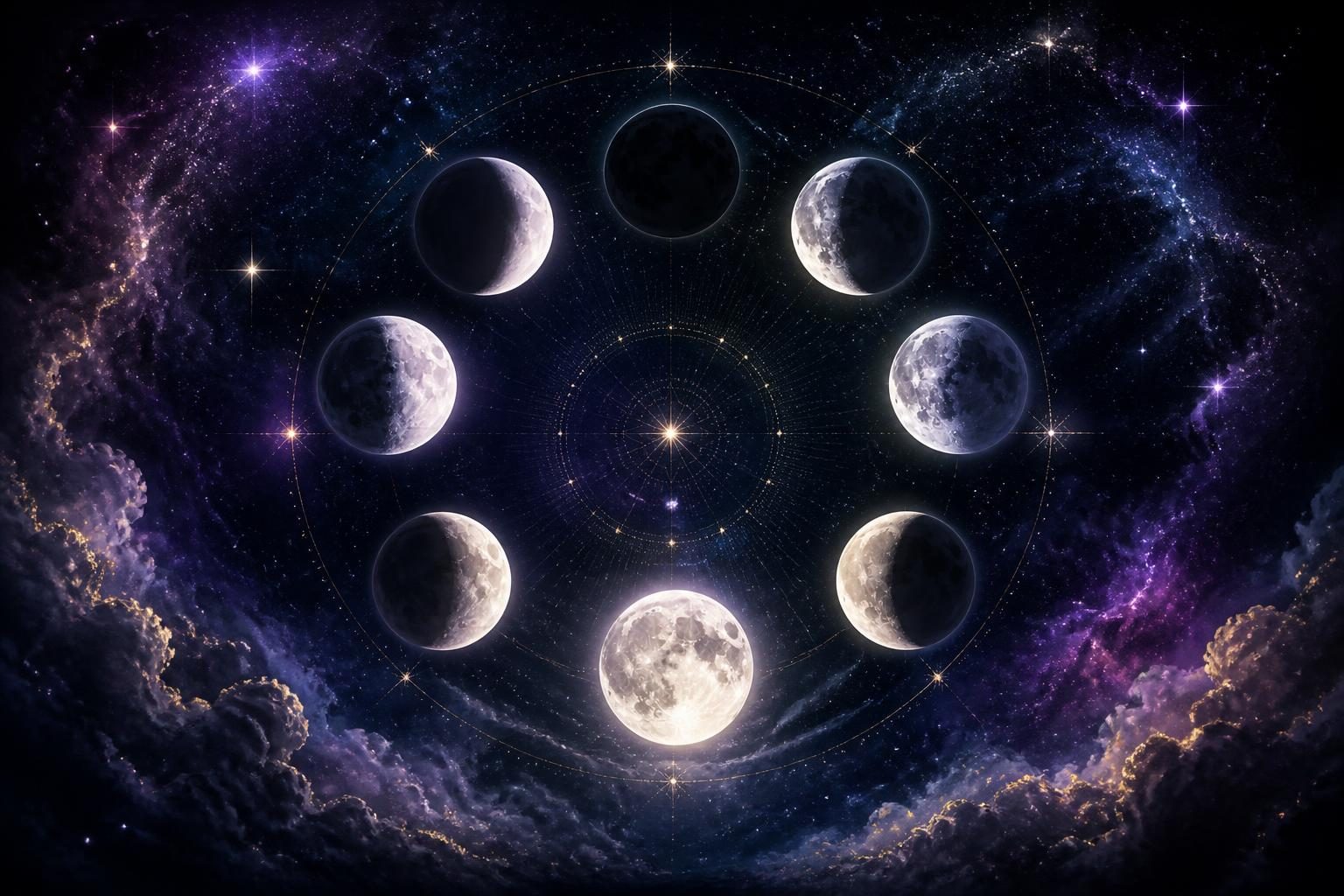
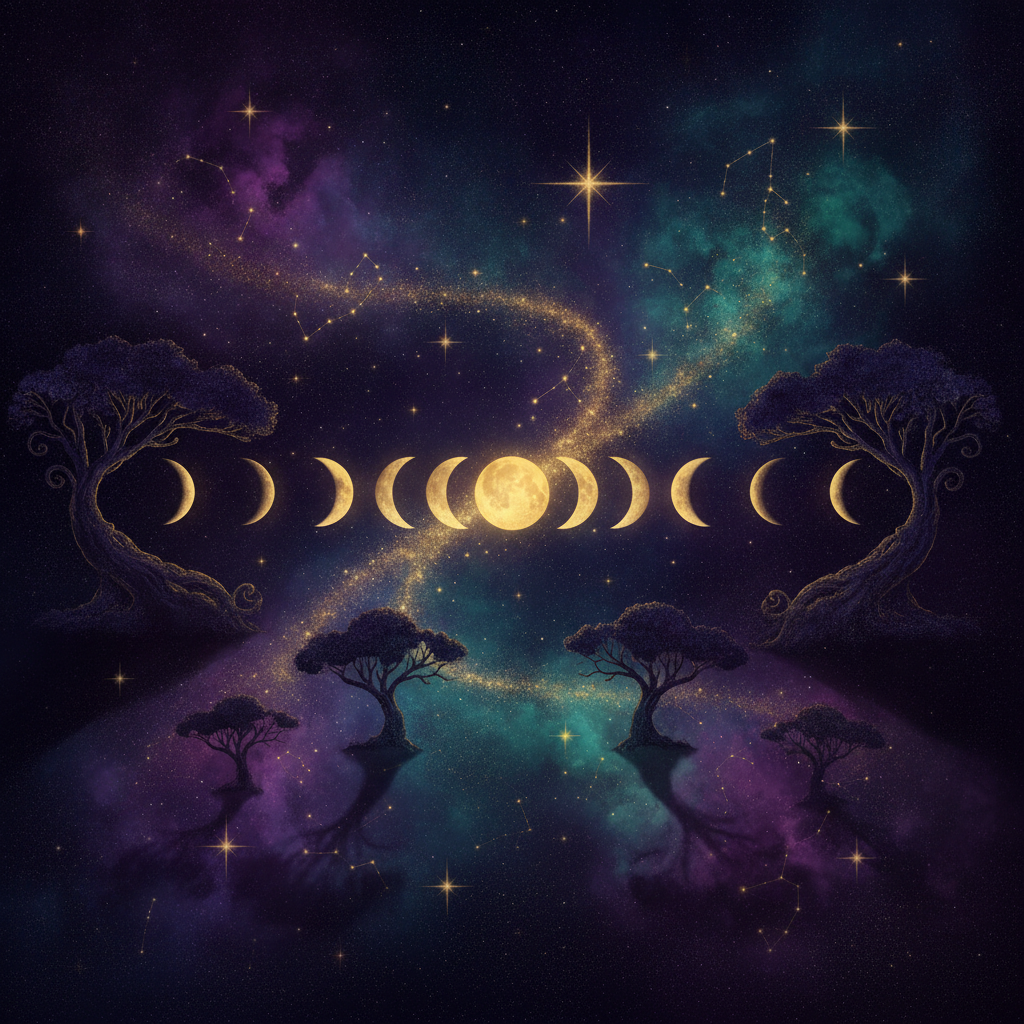
The lunar cycle encompasses eight distinct phases, each with unique traits:
- New Moon: A time for new beginnings and setting intentions.
- Waxing Crescent: A phase for growth and development.
- First Quarter: Represents challenges and decision-making.
- Waxing Gibbous: A period of refinement and manifestation.
- Full Moon: The peak of energy, perfect for release and gratitude.
- Waning Gibbous: A time for reflection and introspection.
- Last Quarter: Symbolizes letting go and closure.
- Waning Crescent: A phase for rest and preparation for the new cycle.
Understanding these phases can help you align your personal and spiritual practices with the natural rhythms of the universe.
Rituals for the New Moon
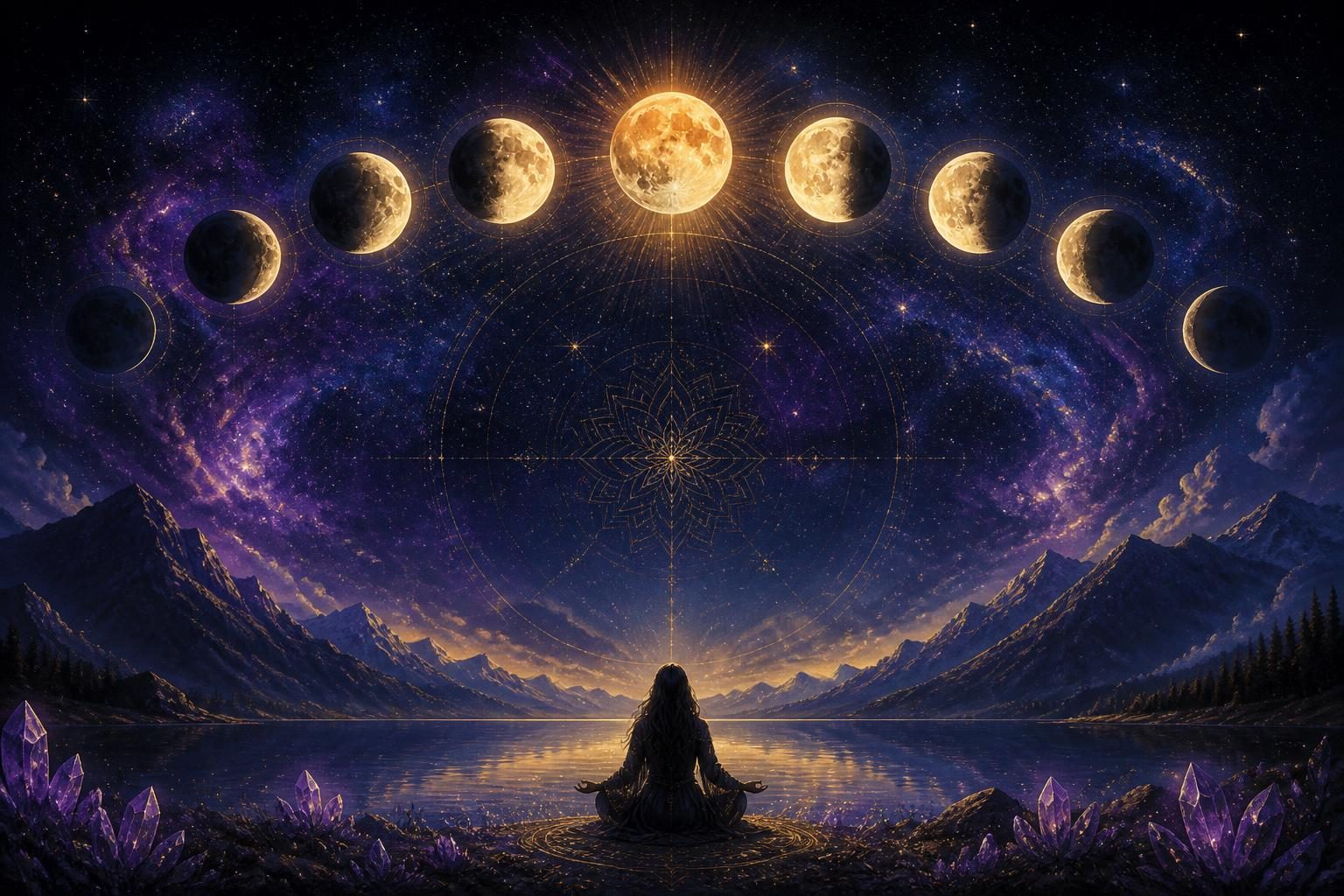
The new moon marks the beginning of the lunar cycle, making it an ideal time for setting intentions. Here’s how you can harness this energy:
- Intention Setting: Write down your goals or desires for the coming month.
- Visualization: Spend time meditating on what you wish to manifest.
- Journaling: Reflect on what you wish to let go of to make room for new opportunities.
Creating a sacred space with candles, crystals, or even a simple altar can enhance your ritual experience.
Embracing the Full Moon
The full moon is a powerful time for completion and release. Here are some rituals to consider:
- Gratitude Ritual: Write down things you are grateful for and read them aloud under the moonlight.
- Release Ceremony: Write down what no longer serves you and safely burn the paper as a symbol of letting go.
- Moon Bathing: Spend time outdoors under the full moon, allowing its light to energize and rejuvenate you.
These rituals capitalize on the full moon's heightened energy, making it the perfect time to celebrate your accomplishments and release what you no longer need.
Myths vs. Facts: Common Misconceptions About the Moon
With entrenched beliefs surrounding the moon, it's crucial to separate myths from facts:
- Myth: The full moon causes people to act strangely.
- Fact: While there may be anecdotal evidence, studies show little correlation between lunar phases and human behavior.
- Myth: New moons are only for negative energy.
- Fact: New moons are a time for positive change and setting intentions for the future.
- Myth: You need to perform elaborate rituals during moon phases.
- Fact: Simple practices can be just as effective and meaningful.
Understanding these distinctions can enhance your appreciation of the moon's influence, allowing you to engage with its energy more meaningfully.
The Cultural Impact of Moon Phases
Different cultures have revered the moon throughout history, weaving its phases into spiritual practices, agriculture, and festivals:
- Harvest Festivals: Many cultures celebrate the harvest during the full moon, honoring the culmination of hard work.
- Lunar Calendars: Various cultures, including the Chinese and Hindu, utilize lunar cycles to determine significant dates for festivals and rituals.
- Folklore and Mythology: The moon is often personified in myths, highlighting its importance in human understanding of nature.
These cultural practices underscore the moon's role as a powerful symbol of guidance and reflection, connecting us to our ancestors and to the natural world.
Conclusion: Harnessing the Power of the Moon
The lunar cycle offers a rich tapestry of opportunities for personal growth, reflection, and spiritual connection. By understanding the phases of the moon and dispelling common myths, you can create rituals that resonate with your intentions. Embrace the magic of the new moon for new beginnings and the full moon for celebrating achievements. The moon is not just a celestial body; it is a guiding force that encourages us to align with our truest selves and the rhythms of life.